Moms Mabley
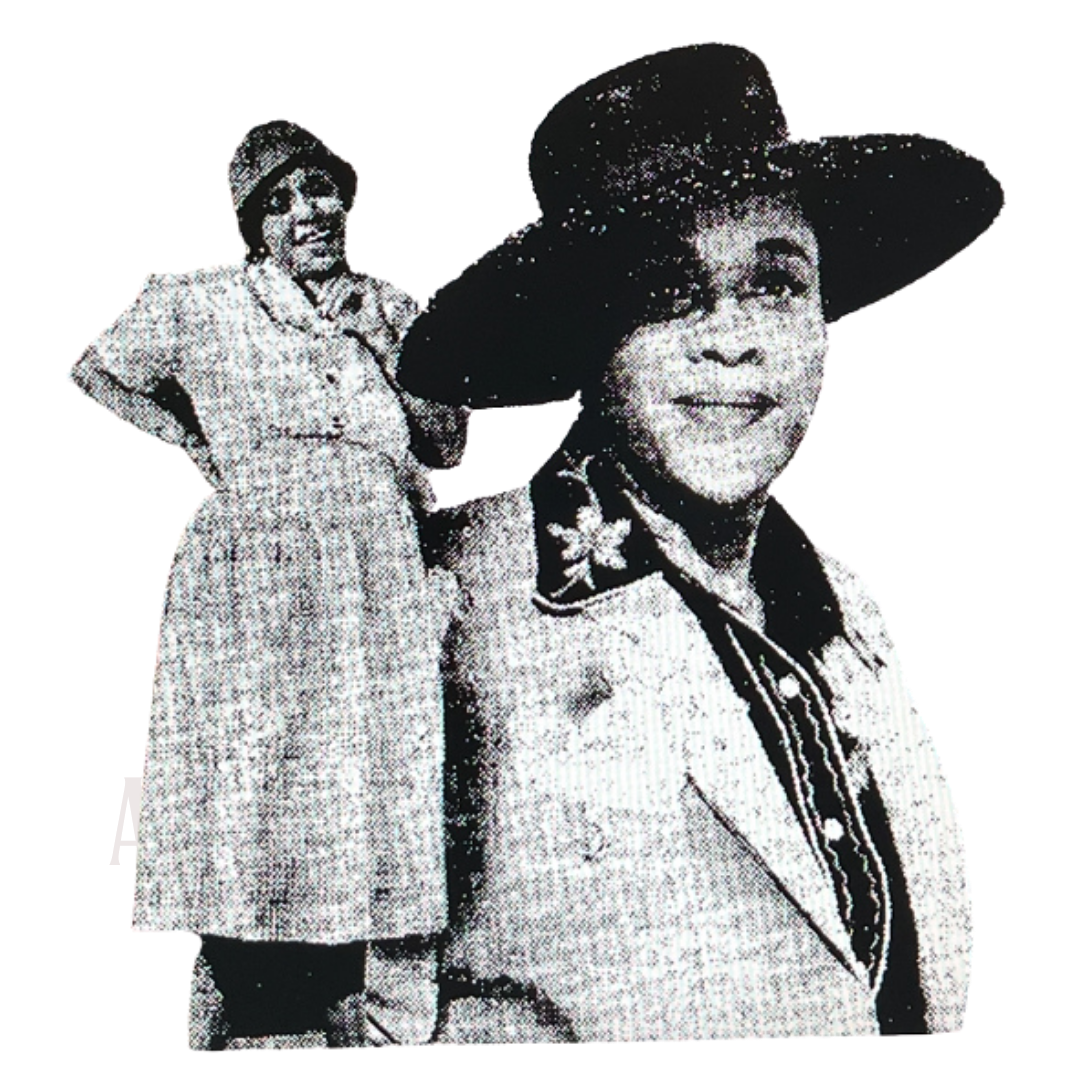
Jackie "Moms" Mabley (1894–1975) was one of the most influential comedians of the 20th century. The club is named in her honor.
She Knew Exactly What She Was Doing
Mabley's career stretched across five decades — from the Black vaudeville circuit to major stages like the Apollo Theater, Carnegie Hall, and national television. Across her lifetime, she lived through nearly every major social shift of the 20th century: Jim Crow, the Harlem Renaissance, the Civil Rights Movement and Black Power Movement. She brought those realities into her work. She spoke openly about southern racism, white supremacy, and the systems behind both, in ways that were clear, funny, and hard to ignore.
The Housedress Was a Trojan Horse
The "Moms" character was strategy. An elderly woman in a housedress could say things that others couldn't. People relaxed. They laughed early. And then the joke would turn. She used character to move through constraint without losing her point. She made topics that were often treated as off-limits — race, gender, class, sexuality — feel speakable, even familiar. You came for the jokes. You left with the truth sitting a little closer than expected.
She Was Also Somebody Else Entirely
Offstage, Mabley didn't match the image people expected. She dressed in tailored suits, often compared to Cab Calloway, and was known within her community as a lesbian. Some referred to her as "Mr. Moms". Onstage, she didn't resolve that tension. She worked with it. Her humor about desire and relationships was layered, coded, and at times deliberately misread. For some audiences, it landed as flirtation. For others, it signaled something else entirely. Either way, she was saying more than she was being given credit for.
She Figured Out How to Make the Truth Travel
Mabley understood something we work on at the club: if the delivery is right, the truth can travel. Her comedy didn't separate humor from critique. She made room for observations about power — who has it, who doesn't, and how it shows up in everyday life. She expanded what comedy could hold without losing the audience in the process. People stayed with her because she knew how to bring them along. That approach helped shape what we now recognize as Black feminist humor, even before it had a name.
Your Moms Favorite Comedian's Favorite Comedian
Her impact wasn't subtle. First woman comic to perform at the Apollo. First woman comedian to headline Carnegie Hall. Hit the Billboard Hot 100 at 75 — the oldest person to chart at the time! Took her comedy everywhere: nightclubs, prisons, the Playboy Mansion, the White House. She was in plain sight for fifty years, doing the work, shaping the field, and making room for everyone who came after. If you love stand-up, you owe her something.
Want to go deeper? Two books worth your time:
Sass by J. Finley and Cracking Up by Katelyn Hale Wood.